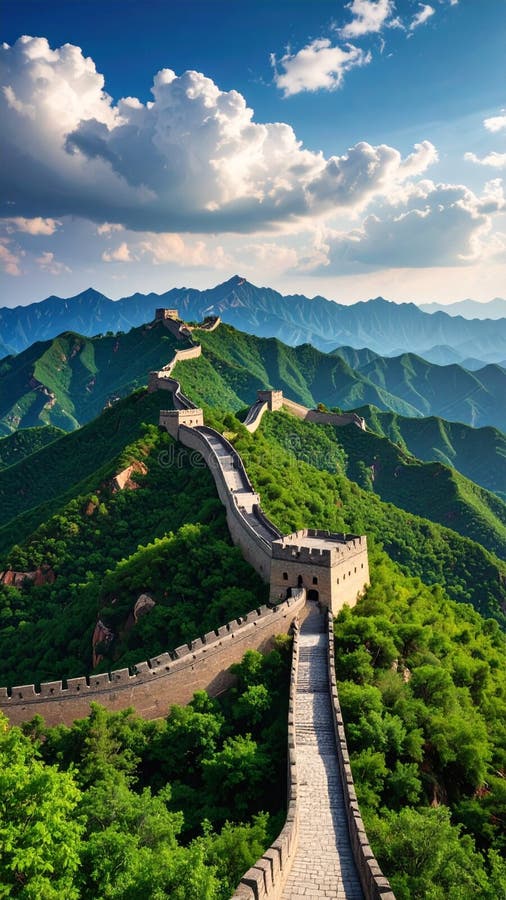
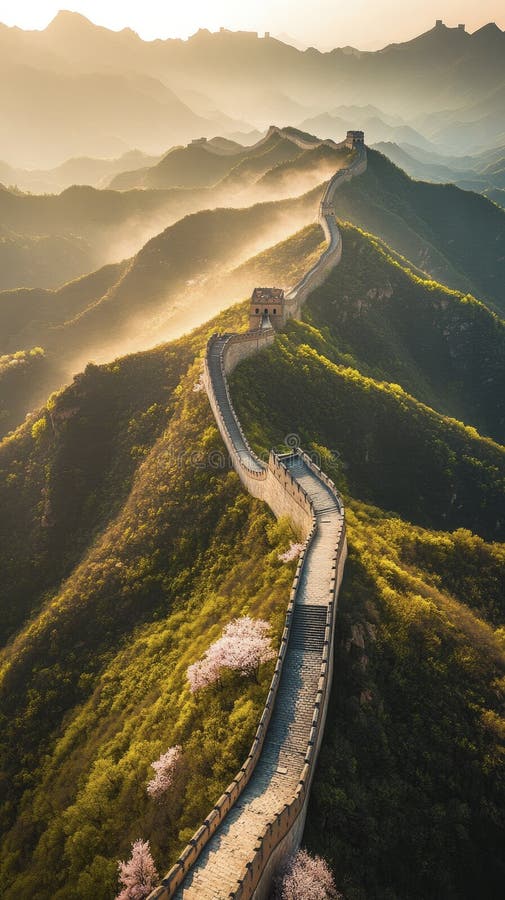
The Great Wall winding through green mountains at sunrise
Beyond the tourist trail

China's hidden roads, mapped honestly

The real China — quiet alleys, forbidden corners, street food your hotel will never recommend, temples no tour bus stops at. Written by travelers who got off the bus, for travelers who plan to.

7Featured destinations
40+Practical travel guides
4Languages served
24/7Independent editorial
Destinations

Where should you go first?

Seven proven starting points, each with its own rhythm — imperial cities, karst rivers, sky-high cliffs, old towns, and living traditions.

Beijing — Imperial capital
Imperial capital

Beijing

Great Wall, Forbidden City, hutong alleys — and the best roast duck in the world.
Xi'an — Ancient capital
Ancient capital

Xi'an

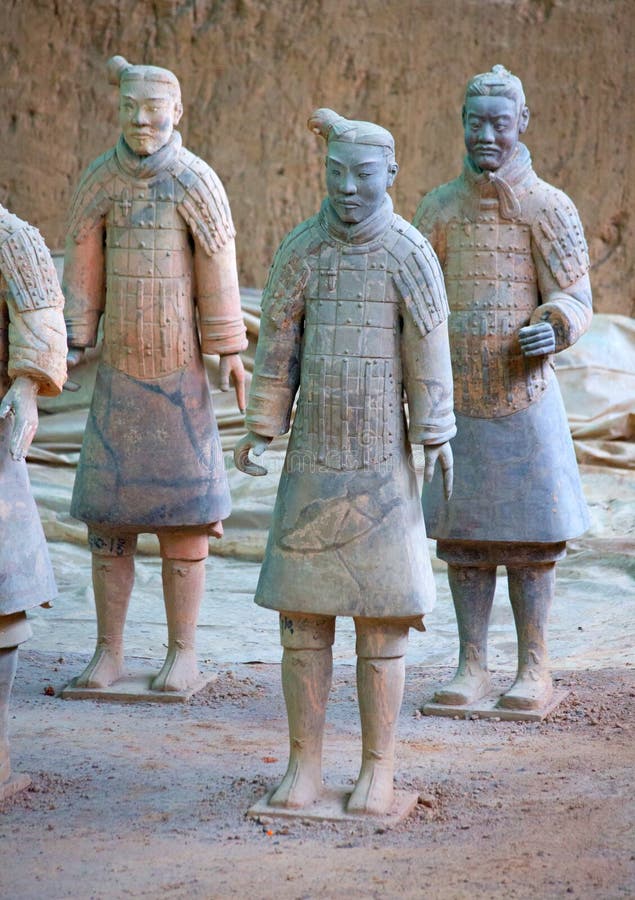
The Terracotta Army, a city wall you can cycle, and a food street that never sleeps.

Guilin & Yangshuo — Karst landscape
Karst landscape

Guilin & Yangshuo

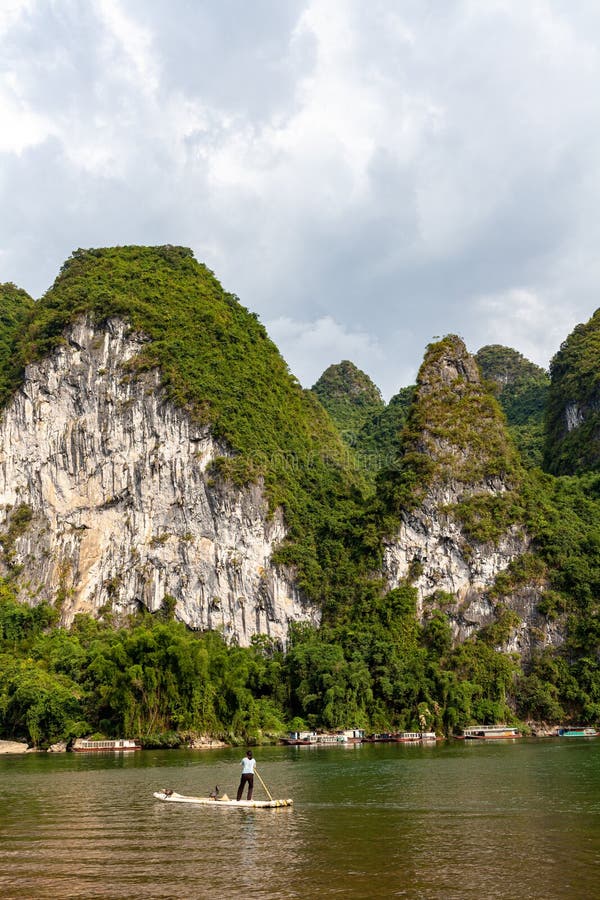
Limestone peaks, Li River cruises, and bamboo rafts on quiet mornings.

Zhangjiajie — Sandstone pillars
Sandstone pillars

Zhangjiajie

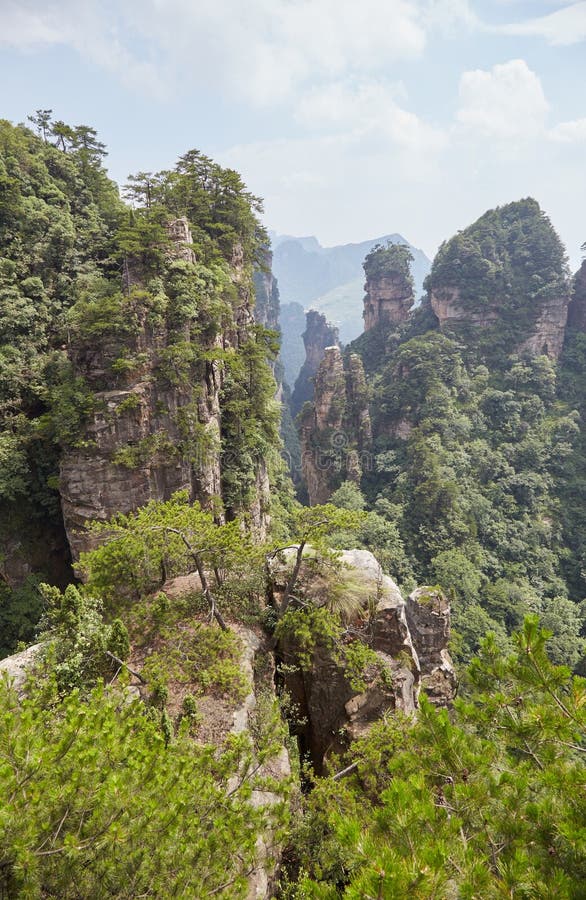
The mountains that inspired Avatar — mist-wrapped sandstone columns and glass walkways.

Chengdu — Panda city
Panda city

Chengdu

Pandas, teahouses, hotpot, and the slowest, happiest pace in China.

Lijiang — Old town
Old town

Lijiang

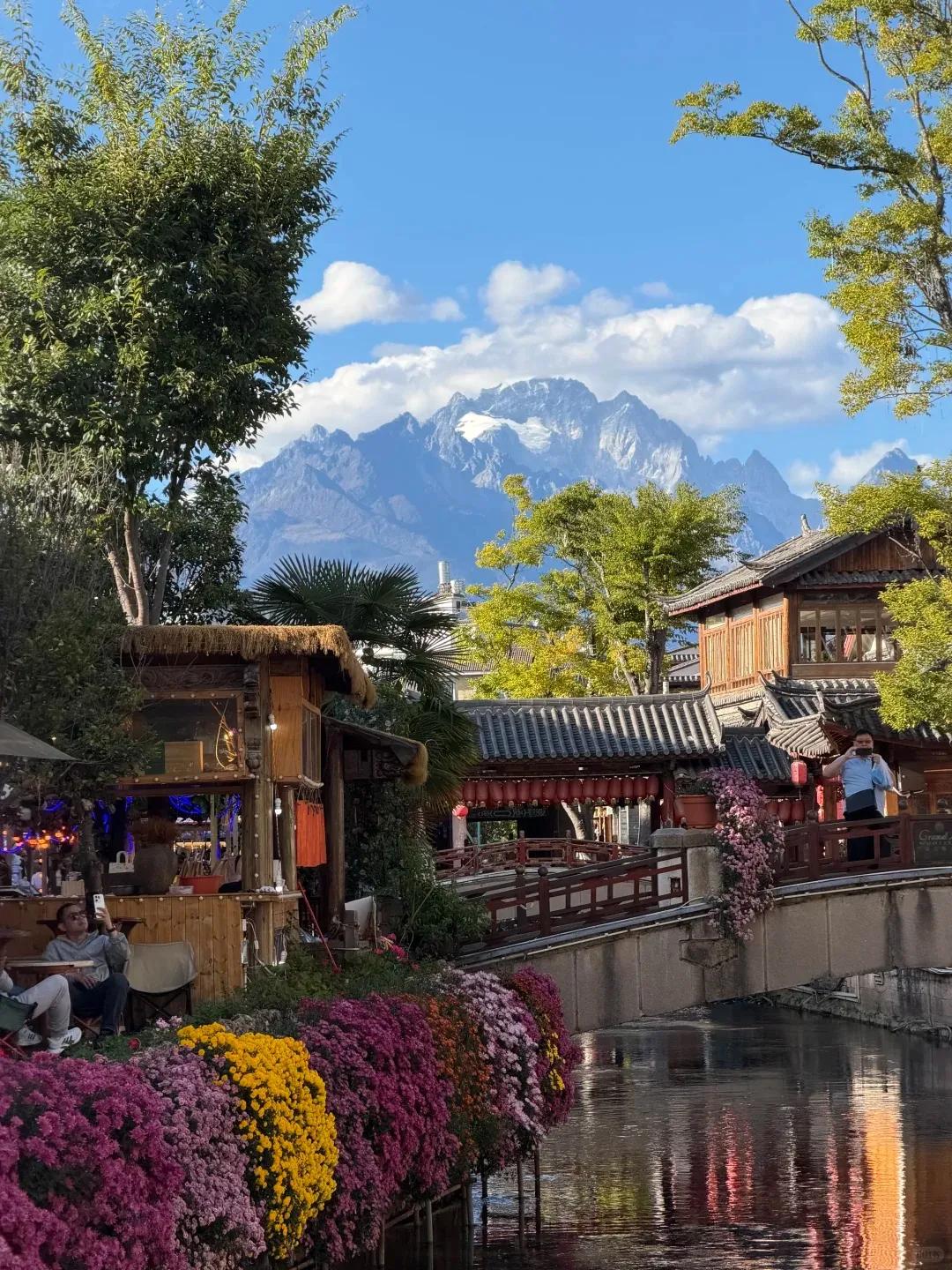
A Naxi old town with canals, snow mountains, and night bars under the stars.

Hangzhou — Lake & tea
Lake & tea

Hangzhou

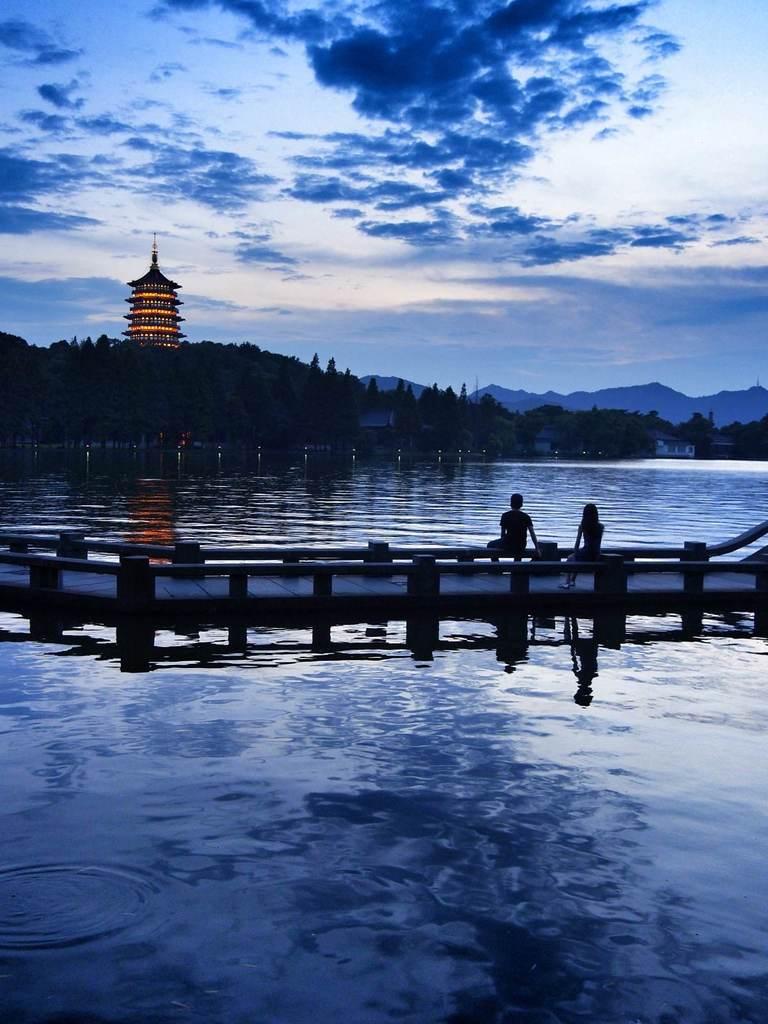
West Lake at dusk, Longjing tea fields, and the calm poets wrote about for a thousand years.

Why China

What most guides get wrong

China is not hard to travel — it is simply different. Once you understand the basics, it becomes one of the most rewarding countries on earth.

It is easier than you fear

English signage is everywhere in major cities, high-speed rail is world-class, and mobile payment is a one-time setup — not a daily struggle.

The depth is unmatched

Five thousand years of continuous civilization means layers of history under every street: dynasties, temples, dialects, and cuisines that change every 200 kilometers.

It rewards slow travelers

The famous sights are famous for a reason. But the real China shows itself in teahouses, night markets, park dancers, and conversations you never planned.

Sample Itineraries

Two classic routes, fully planned

Day-by-day itineraries with transport, stays, and honest notes on pacing — no filler stops.

7 days

The Classic Loop

Beijing → Xi'an → Shanghai. Imperial walls, the Terracotta Army, and a modern skyline — the perfect first trip.

12 days

Mountains & Rivers

Zhangjiajie → Guilin → Yangshuo. Sandstone pillars, karst peaks, and bamboo-raft mornings.

15 days

Slow South

Shanghai → Hangzhou → Chengdu → Lijiang. Gardens, pandas, tea, and old-town nights.

This Week · Chinese Food

One bowl, one city

China's cuisines change every 200 kilometers. Three dishes that define three places — where they come from, and exactly how to order them.

Roujiamo, Xi'an's original hamburger
Xi'an · Street food

Roujiamo — China's original hamburger

Slow-braised pork, chopped and stuffed into a crisp flatbread baked in a clay oven. The Muslim Quarter makes the best in the city.

Traveler tip: Ask for "fei shou" (fatty-lean mix) and eat it within five minutes — the hot-crisp bread is the whole point.
Rice noodles by the Li River in Guilin
Guilin · Breakfast

Guilin Rice Noodles — the city's morning fuel

Tender rice noodles tossed in a fermented sauce every shop guards like a family secret. Costs about the price of a coffee.

Traveler tip: Order it "ban" (mixed dry) with a bowl of clear broth on the side, and stand with the locals to learn which toppings the regulars use.
Mapo tofu and hotpot in Chengdu
Chengdu · Sichuan flavor

Mapo Tofu — the heat you taste twice

Silken tofu in a red, glossy oil — numbing peppercorns first, then slow heat. Chengdu's most famous balance of spice and depth.

Traveler tip: Say "la du shao yi dian" for less heat, but know you are missing the point — the numbness and spice are meant to balance.
This Week · Chinese Culture

One custom, one city

Three living traditions you can step into the moment you arrive — tea as a greeting, a teahouse as a living room, and an old town that still hums in its own language.

Longjing tea country around West Lake, Hangzhou
Hangzhou · Tea ritual

Longjing Tea — the art of the first pour

West Lake's hills grow China's most famous green tea. Watch the "three pours" — a short rinse, a tilted pour, a gentle refill. Never fill a cup to the rim; that is a goodbye.

Traveler tip: Drink it plain — no sugar, no milk. The second infusion is the best, so do not rush the first.
Teahouse life in Chengdu
Chengdu · Teahouse life

The Teahouse — China's living room

In Chengdu, People's Park's teahouses are open-air living rooms: lid-bowl tea, mahjong tiles, and ear-cleaners with silver tools. Sit down, order one pot, and stay all afternoon.

Traveler tip: Nod at the table you are joining — sharing a table with strangers is normal. The tea refills from a thermos, free.
Naxi old town of Lijiang at dusk
Lijiang · Naxi culture

The Naxi Old Town — music in the canals

Lijiang is the home of the Naxi people, whose Dongba script is the world's last living pictographic writing system. Canals, stone lanes, and evening Naxi orchestra in the square.

Traveler tip: The free Naxi Ancient Music performance at Sifang Square starts at dusk — arrive ten minutes early for a seat by the canal.
Food, Culture & Martial Arts

Eat like a local, live like a local

Regional dishes worth crossing the country for — plus the customs and martial arts that turn a visit into belonging.

12 regional icons

Chinese Food

Peking duck, hand-pulled noodles, hotpot, mooncake — where they come from and exactly how to eat them.

8 living customs

Culture & Customs

Festivals, tea ritual, temple etiquette, red packets, and the morning parks where daily China happens.

8 martial arts

Martial Arts

Tai chi, Shaolin kung fu, qigong, and the internal arts — where to see them, and where to learn.

Ready to build your own route?

Tell us your dates, your pace, and what you love — we will sketch a realistic day-by-day plan, free of tourist-trap padding.

Visitor Book

Leave your mark

Been there? Got a question? Tell us what you found on the hidden roads — every note gets a reply within 48 hours.

Opens your mail app — nothing is stored on any server. We read and reply to every entry.

Advertisement — reserved space
Destinations

Seven starting points

Each card opens a full guide: when to go, what to see, how to get around, and the mistake most visitors make.

Beijing — Imperial capital
Imperial capital

Beijing

Great Wall, Forbidden City, hutong alleys — and the best roast duck in the world.

Xi'an — Ancient capital
Ancient capital

Xi'an

The Terracotta Army, a city wall you can cycle, and a food street that never sleeps.

Guilin & Yangshuo — Karst landscape
Karst landscape

Guilin & Yangshuo

Limestone peaks, Li River cruises, and bamboo rafts on quiet mornings.

Zhangjiajie — Sandstone pillars
Sandstone pillars

Zhangjiajie

The mountains that inspired Avatar — mist-wrapped sandstone columns and glass walkways.

Chengdu — Panda city
Panda city

Chengdu

Pandas, teahouses, hotpot, and the slowest, happiest pace in China.

Lijiang — Old town
Old town

Lijiang

A Naxi old town with canals, snow mountains, and night bars under the stars.

Hangzhou — Lake & tea
Lake & tea

Hangzhou

West Lake at dusk, Longjing tea fields, and the calm poets wrote about for a thousand years.

Beijing

Beijing

Imperial capital Best: Spring and autumn
Contact

Talk to a human (or two)

Questions about an itinerary, a correction to a guide, or a collaboration — we read everything and reply within 48 hours.

The China Dispatch — free monthly letter

One email a month: seasonal travel tips, new guides, and honest practical updates. No spam — unsubscribe anytime. Your address opens your mail app, ready to send — nothing is stored on our server (we have none).

Direct line

Prefer email? Write to us directly — we check it daily.

hello@overcomeself.comResponses within 48 hours

Common questions

Do you sell tours?

No. We are an independent editorial guide. We recommend routes and honest options, but we never sell packages or take commissions from operators.

Can you plan a custom trip?

Yes — use the form with your dates and style, and we will send a realistic day-by-day sketch with transport and stay suggestions.

Are the guides up to date?

We review practical sections (visas, payments, transport) every season. When rules change, we update and note the revision date.